
AI-Generated Music: A New Era
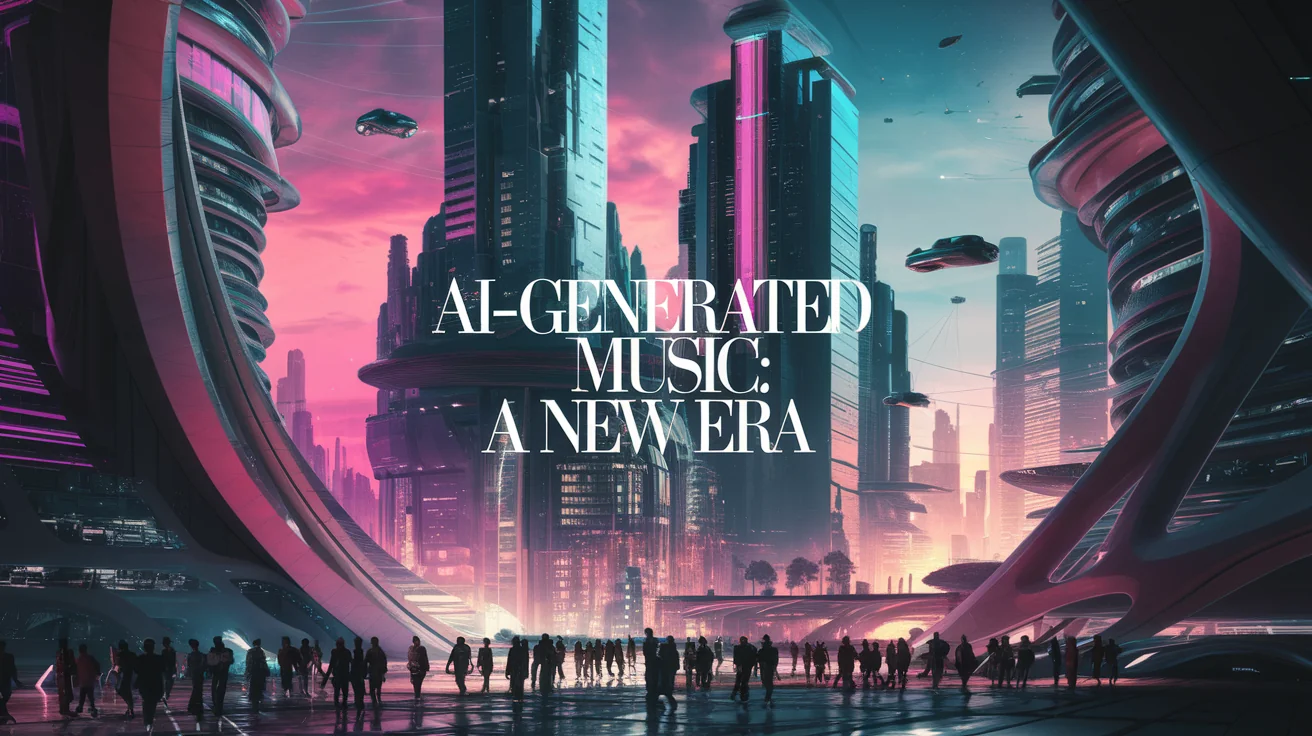
Artificial intelligence (AI) is rapidly transforming the music landscape, with AI-generated music now making its way to the top of record charts. In 2025, it has become undeniable that AI permeates various facets of our daily lives, extending even to mundane appliances like washing machines. In the realm of radio, stations, including Iowa Public Radio, are experimenting with AI DJs, crafting them to fit the desired image and presentation. Faced with the phenomenon of AI topping music charts, I embarked on a listening journey to explore the leading AI-generated musicians.
The Velvet Sundown
The Velvet Sundown garnered attention earlier this year after amassing over a million plays on Spotify, successfully deceiving listeners into believing they were an authentic band. They released three albums in quick succession before revealing that their music was entirely computer-generated. The response from the public was mixed—ranging from frustration among indie artists to concerns from music industry pundits regarding the ethics of using human artists’ work as training data without consent.
The music of The Velvet Sundown elicits a peculiar feeling; while one can easily discern that the essence is derived from a human-like sound, the specific feeling in their tracks feels slightly askew. For the casual listener, differentiating between AI-generated and human-made music may often prove difficult, which raises peculiarly alarming questions about authenticity and artistry.
Breaking Rust
Shifting focus to a different genre, Breaking Rust’s “Walk My Walk” achieved the top position on Billboard’s “Country Digital Song Sales.” Despite its success, many listeners expressed disappointment upon unearthing that it, too, was the product of AI. This particular act leans towards a more straightforward “Outlaw Country” sound, attempting to capture familiar tropes through prompts like “stomp/clap” and the vocals reminiscent of artists like Chris Stapleton. However, the output can come off as stale, with both the instrumentation and lyrics lacking depth and coherence.
For instance, the line “The only thing that keeps me company is, whiskey don’t talk back” from their song “Whiskey Don’t Talk Back” raises eyebrows not only for its ambiguous sentiment but also for its impracticality—a reminder that AI, no matter how skilled, lacks real-life experience.
Xania Monet
The final comparison involves Xania Monet, an entirely AI-created persona. Unlike her predecessors, Xania collaborates with a human lyricist, Telisha “Nikki” Jones, resulting in a fusion of gospel and R&B sounds. One striking instance of Xania’s music is the line highlighting the struggle with parenthood, stating “unpacking daddy wounds with every kiss.” This blending of artificial vocals with human-authored lyrics exemplifies the eerie intertwining of AI and traditional artistry.
Similar themes reemerge in her song “Social Media Lies,” emphasizing the prevalence of facade in modern society through its self-aware line: “We celebrate what ain’t even real.” This hints at deeper societal reflections on authenticity and existence in the digital era.
The Future of AI in Music
AI-generated music becomes emblematic of the surreal realities we inhabit today. While some argue that this current trend may be fleeting, the advancements in AI capabilities suggest otherwise. As indicated by comments from artists like Teddy Swims, there is potential for AI to serve beautifully alongside human creators when wielded correctly, thus fostering a new creative paradigm.
This evolution prompts pertinent discussions about the evolving role of artists: is the art of music being reduced to typing commands into a generative engine? What questions arise regarding quality controls and ethical considerations surrounding AI music production? These unanswered questions position the music industry at a crossroads, and as we venture forward, the outcomes remain unpredictable yet intriguing.