
AI in Healthcare Billing Restrictions
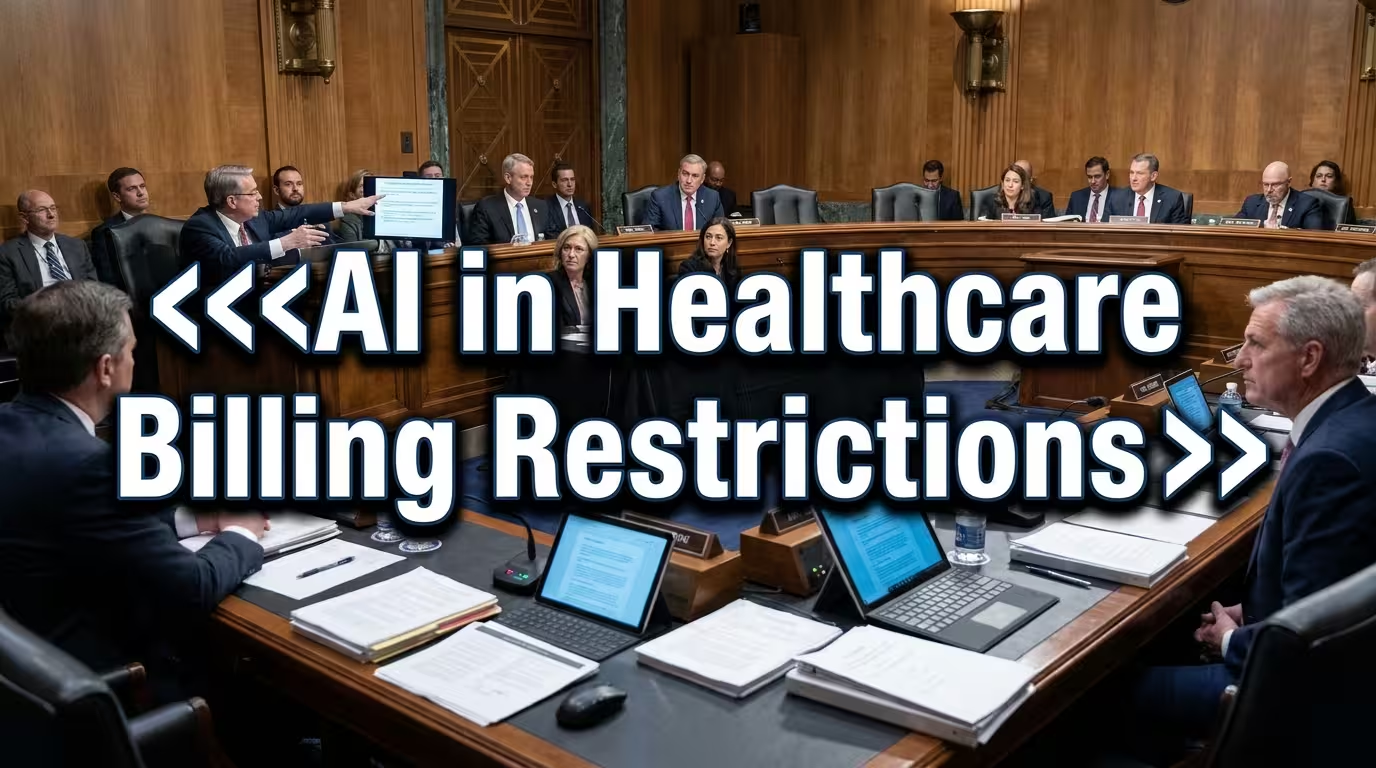
The North Carolina Senate is examining a significant new bill that seeks to regulate the growing reliance on artificial intelligence (AI) in healthcare billing and insurance practices. The measure, sponsored by Sen. Amy Galey, R-Alamance, has emerged from concerns that AI’s role in decision-making could lead to inflated costs and increase the likelihood of insurance claim denials.
In outlining the intentions behind this legislation, Galey noted, “This bill seeks to put guardrails on the use of AI in billing and handling of insurance claims — guardrails both for the insurance company and for the provider.” One key focus of the bill is to prevent insurance companies from denying coverage for specific treatments or services solely based on an AI-driven evaluation. Additionally, it aims to restrict healthcare providers from employing AI to file claims that involve upcoding, which involves billing for more expensive services without the endorsement of a qualified medical professional.
Galey raised alarm over the potential for automation in billing to overshadow human oversight, stating, “Hospitals can use technology to automatically increase bills without human oversight or intervention.” She expressed concerns about hospitals potentially programming AI systems to structure medical records in ways that boost reimbursement amounts, leading to escalated healthcare costs without corresponding improvements in patient outcomes. Galey emphasized that such practices not only burden public insurance systems like Medicaid and Medicare but also strain private insurance and ultimately the patients themselves.
While the bill addresses valid worries regarding cost escalation, its introduction has sparked pushback from the state’s hospitals. Blair Borsuk, representing the N.C. Healthcare Association, argues that properly implemented AI can mitigate administrative burdens, allowing medical practitioners to devote more time to patient care. Borsuk communicated her organization’s willingness to collaborate with lawmakers to refine the bill, indicating a desire to balance regulatory oversight with the benefits of technological advancements.
The Senate committee is slated to review the bill further, with potential approval looming next week following its initial discussion. As the dialogue around AI’s role in healthcare continues, the stakes are substantial, with implications for both economic sustainability and the quality of patient care.