
AI Retail Jobs Replacing Routine Tasks
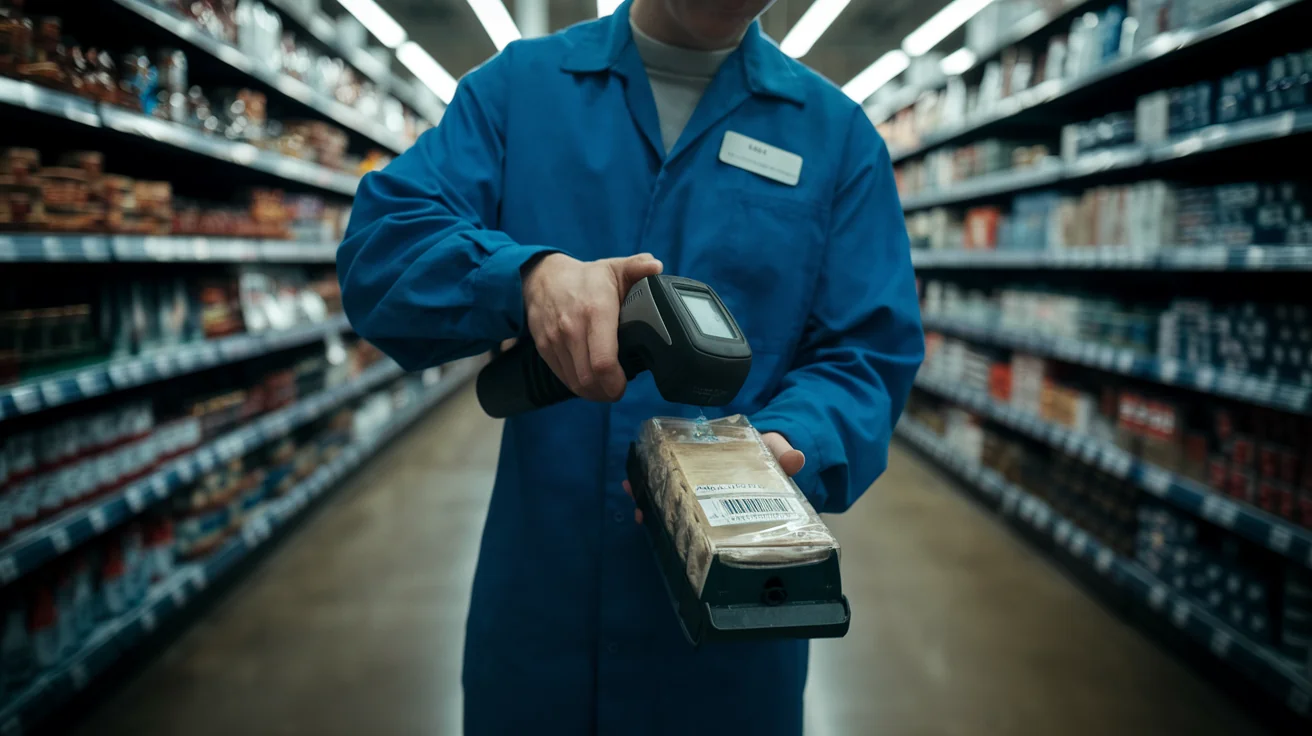
As we look towards 2035, a new report from law firm Eversheds Sutherland and research agency Retail Economics warns that the majority of routine retail tasks are set to be replaced by artificial intelligence (AI). This claim underscores a crucial transformation that may reshape the workforce in retail.
According to the study, nearly 60% of retail tasks in core functions could be augmented or automated through AI. This shift is anticipated as UK retailers plan to allocate a substantial portion of their budgets—up to a third—on AI-aligned technology in the coming year. Furthermore, 69% of these retailers expect to ramp up their investments in AI solutions within the next two years. Such aggressive investment strategies reflect the increasing pressures of rising operational costs.
Andrew Todd, a partner at Eversheds Sutherland, expresses that while AI will predominantly take over routine and data-driven tasks, human employees will be liberated to focus on essential responsibilities related to strategy, creativity, judgment, and customer engagement. This dual-role approach suggests a collaborative future where AI supports human efforts rather than fully replaces them.
Interestingly, Richard Lim, CEO of Retail Economics, emphasizes that the upcoming decade will witness profound shifts in work patterns across the retail landscape. He indicates that the evolving environment will lead to the emergence of specialist positions while existing roles adapt to the AI-driven context.
The report resonates with insights from industry leaders, such as McKinsey, which illustrates a trend towards a partnership model involving people, agents, and robots. Their findings are already evidenced by a notable decline—38%—in job advertisements for positions susceptible to AI automation when compared to three years prior.
Moving forward, it’s important to note that, while the march towards AI is accelerating rapidly, it is also encountering longstanding operational barriers that may hinder its trajectory. Retailers are expected to undergo a carefully phased process of testing, learning, and implementing generative and agentic AI technologies, leading to what could be a cascading effect of disruption in the sector over time.