
AI Videos Influence Hungary’s Election Campaign
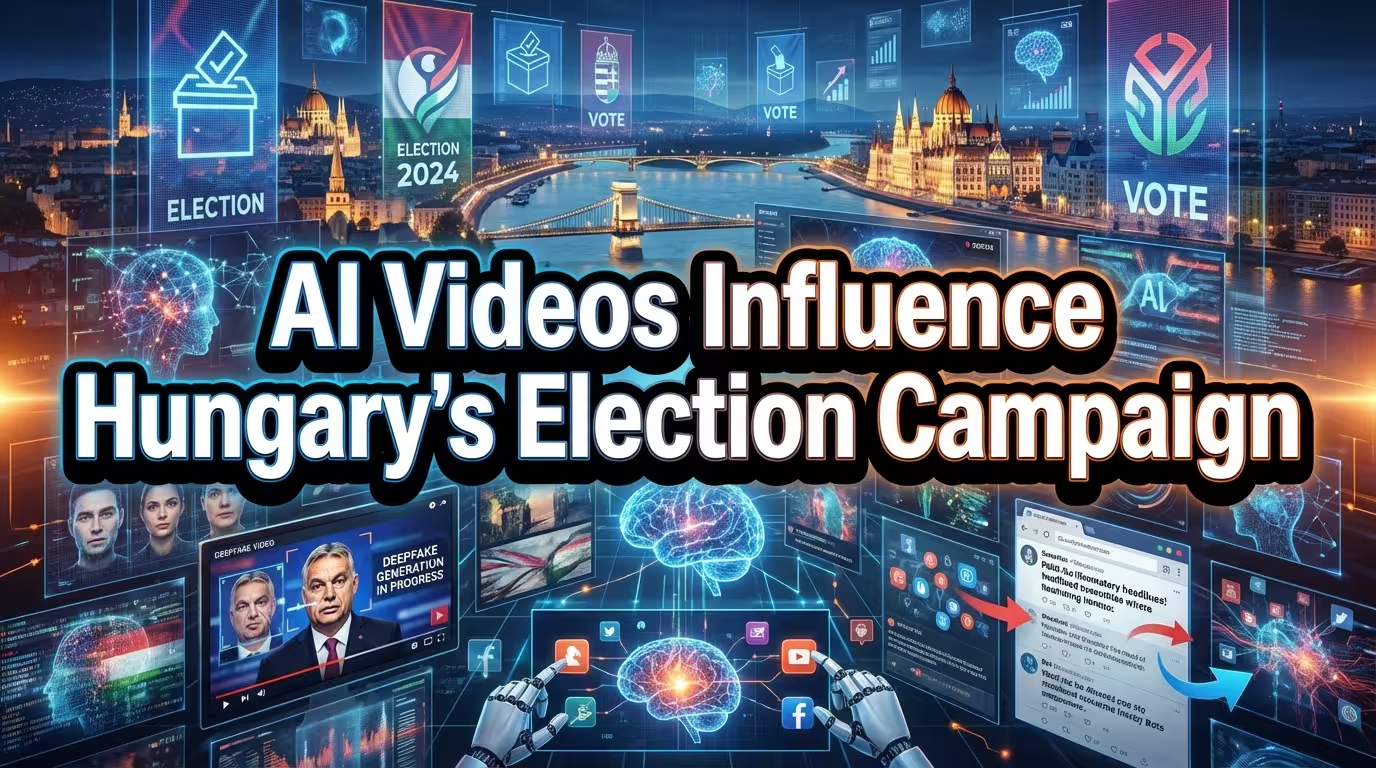
As Hungarian elections approach, the campaign strategies of Prime Minister Viktor Orbán’s Fidesz party have taken a controversial turn with the use of AI-generated videos, stirring both shock and debate among the electorate. In a particularly disturbing instance, a video surfaced in February depicting a fabricated execution of a soldier, aimed at discrediting Orbán’s rival, Péter Magyar of the Tisza party, just weeks before the elections.
AI-Generated Propaganda in Political Campaigns
This AI-generated clip showed a young girl yearning for her father’s return only to reveal him as a blindfolded victim of violence. While the video clearly stated it was artificial, the emotional impact it aimed to relayed an alarming narrative concerning Hungary’s involvement in the ongoing war in Ukraine.
Election Tactics and Claims
The Fidesz party has fueled fears that a victory for Magyar would mean an escalation of the Ukrainian conflict on Hungarian soil. They assert, with no credible evidence, that Magyar intends to funnel pension funds to support Ukraine and initiate forced conscription. These claims have been categorically denied by Magyar, who promises that his party will maintain a policy of non-involvement in the war.
The Reaction and Context
Despite the contentious use of AI videos, Magyar continues to lead in opinion polls, indicating that the Fidesz campaign’s disinformation strategy may not significantly sway voter sentiment. According to Zsófia Fülöp from Hungary’s independent fact-checking site, the ruling party’s reliance on generative AI is unprecedented and presents a new dimension to their established anti-Ukrainian narratives.
Worse Than Fiction: The Disinformation Landscape
In a different context, pro-Fidesz groups circulated another AI-created video depicting a conversation between European Commission President Ursula von der Leyen and Magyar discussing financial assistance to Ukraine. This video was widely shared before being fact-checked and called out as misleading.
Broader Implications
Experts, including Éva Bognár from the Central European University, argue that the ongoing disinformation campaign constitutes a dangerous manipulation of public perception. As Hungary’s political climate tightens and relationships with Ukraine sour, the implications of these narratives could have long-lasting effects beyond the elections.
Public Sentiment and Future Consequences
While some segments of the population perceive Magyar’s campaign as refreshing, particularly among younger voters, the older demographic largely supports Fidesz. The repetitive anti-Ukrainian rhetoric points to a larger public sentiment that may restrict the scope of debate and further embolden the use of disinformation tactics. If Fidesz prevails, this trend may continue to shape Hungary’s political discourse, potentially leading to increased propaganda efforts post-election.
As the elections draw near, Hungary finds itself entangled in a narrative driven by technology and manipulated information, a troubling reflection of the current state of democracy in the region.