
Can AI Robots Tell Jokes?
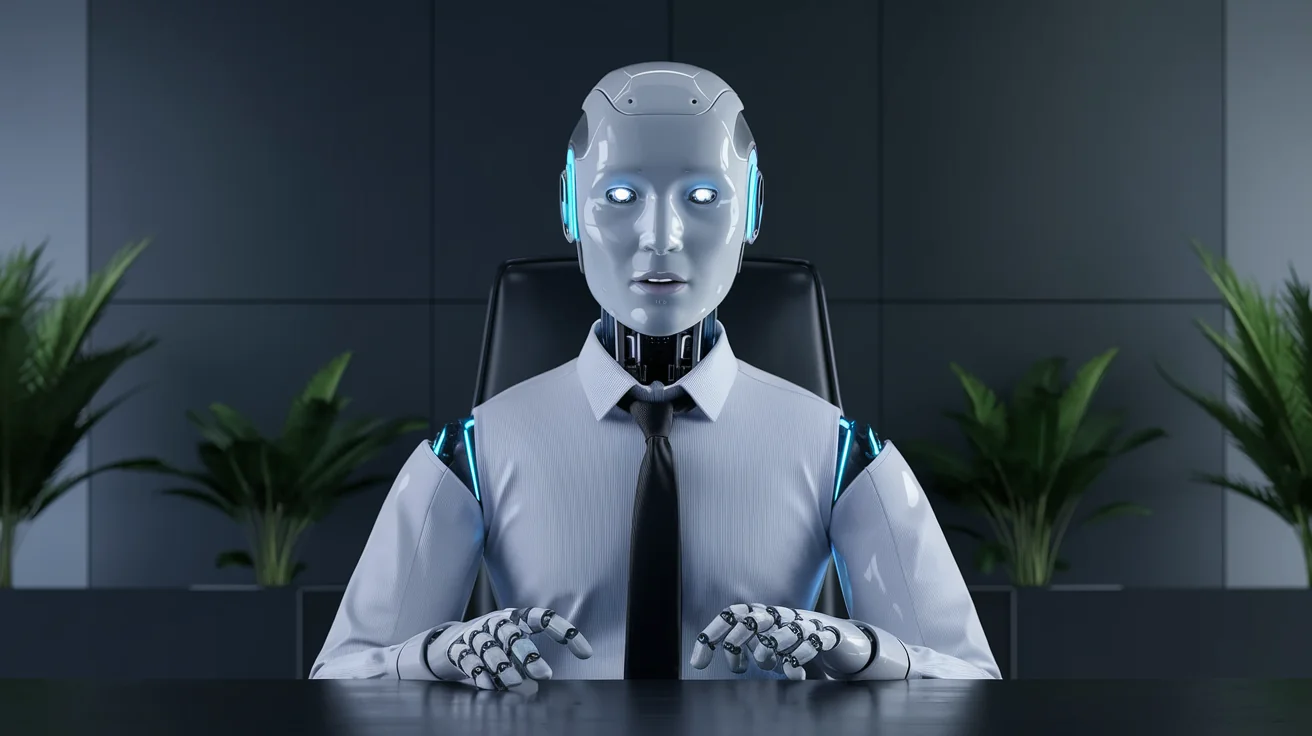
The intersection of artificial intelligence and comedy has sparked a unique research initiative at the University of Melbourne, led by Dr. Robert Walton. This project aims to explore whether robots can ever truly master the art of comedy, moving beyond their current capability to amuse us through unintentional mishaps.
The seed of this inquiry was planted with a reflection on AI’s limitations in delivering humor. For instance, when asked for a joke, programs like ChatGPT often produce simplistic punchlines that resemble those found in Christmas crackers—”Why don’t skeletons fight each other? Because they don’t have the guts.” While amusing in a charmingly naïve way, these quips don’t hold a candle to the complexity of human humor.
Funded by a $500,000 Australian Research Council grant, Walton’s innovative approach involves the training of a group of around ten non-verbal robots, which will initially eschew language in favor of physical comedy techniques. As Walton explains, robots can inadvertently elicit laughter through physical gags, such as bumping into objects. Yet, the challenge remains: when these robots aim to be funny, they often miss the mark, leaving audiences skeptical about their comedic intent.
Dr. Walton draws parallels between his robots and infants, who explore their surroundings without preconceived notions. His objective is to bestow machines with a deeper understanding of non-verbal prompts, emotional cues, and audience interactions—factors that are quintessential to successful comedic performances. By integrating sensory capabilities like detecting laughter and movement, these robots are being designed to grasp the fundamental elements of timing and audience connection.
Interestingly, this research touches on broader implications of AI in the arts. The inherent tension arises as humor—a powerful tool for disarming or manipulating situations—comes into play. While Walton’s project does not aim to replace human comedians, it raises poignant questions about the nuances of humor in artificial entities. Comedian Tina Fey has recently expressed skepticism about AI’s capacity for humor at the Edinburgh comedy festival, indicating that machines lack the essential qualities that make humor connect with audiences.
Adding to the discourse, figures like Tim Minchin have asserted that what humans find engaging is the struggle and imperfection behind the artistic expression. Unique lived experiences and the idiosyncrasies of human performance contribute profoundly to what audiences find funny. Hence, many of the doubts surrounding this study stem from a broader cultural belief that genuine comedy—punctuated by moments of connection and spontaneous interactions—cannot be replicated by robots.
The director of the Melbourne Comedy Festival, Susan Provan, reinforces this perspective by highlighting the importance of authentic originality in comedy. Genuine laughter often arises not from set routines but from lively exchanges that occur in real-time during performances. Walton hopes that his research will shed light not just on how to cultivate comedic timing in robots but also on the ethical implications and potential risks associated with AI integration into creative fields.
As Walton embarks on this groundbreaking journey, the question remains: can robots learn to be truly funny, or will their attempts merely serve as fodder for human amusement through errors? This exploration asks not just about the future potential of AI in comedy, but also fundamentally questions what it means to be truly humorous.