
Policing AI-generated Deepfakes in Ireland
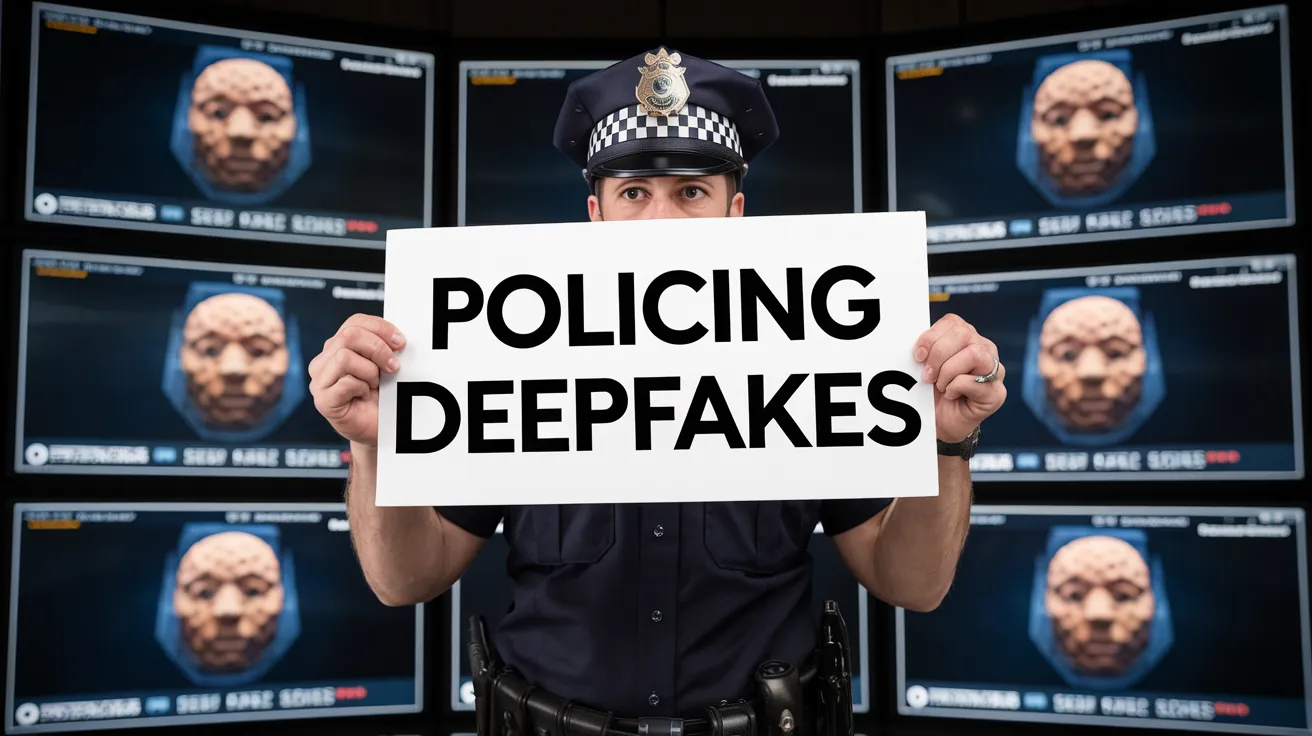
In response to a growing concern regarding the proliferation of deepfakes throughout Europe, there is a significant push for enhanced policing measures. Deepfakes, which are images and videos altered by AI to depict fabricated scenarios involving real individuals, have surged in prevalence, prompting calls for urgent action.
Irish MEP’s Call for Action
Irish Member of the European Parliament (MEP) Maria Walsh has been vocal about the necessity for the EU to expedite its strategies for detecting and preventing deepfakes. Highlighting the potential devastating consequences of such forgeries, Walsh underscores the broader implications on personal and professional reputations.
Personal Impact of Deepfakes
Walsh emphasizes how the release of an intimate AI-generated image could drastically alter an individual’s life. “If I had an intimate image that was released of me that was AI-generated, you know, my professional standing changes,” she noted. This concern raises critical questions about personal identity and trust in digital media.
Furthermore, she pointed out, “Of course my emotional mental health changes, my family is impacted, my friends are impacted. And it’s very difficult to come back from that and say: ‘Well, that’s fake.’ And where’s the proof? Proof is not going to be shown because that’s fake. It’s very difficult to even explain it, so we have to put restrictions in and we have to be aware of it.”
The Need for Regulatory Measures
The growing incidence of AI-generated fake scenes calls for immediate regulatory actions which could protect individuals from the potential harms associated with deepfakes. Walsh’s remarks reflect a sentiment shared across various EU countries, where policymakers are beginning to recognize the urgent need for robust frameworks to combat these emerging digital threats.
As technology evolves, so too must our approaches to regulating it, ensuring that individuals are safeguarded from the potentially harmful impacts of AI manipulation in visual media.