
Project Maven AI: Transforming Warfare
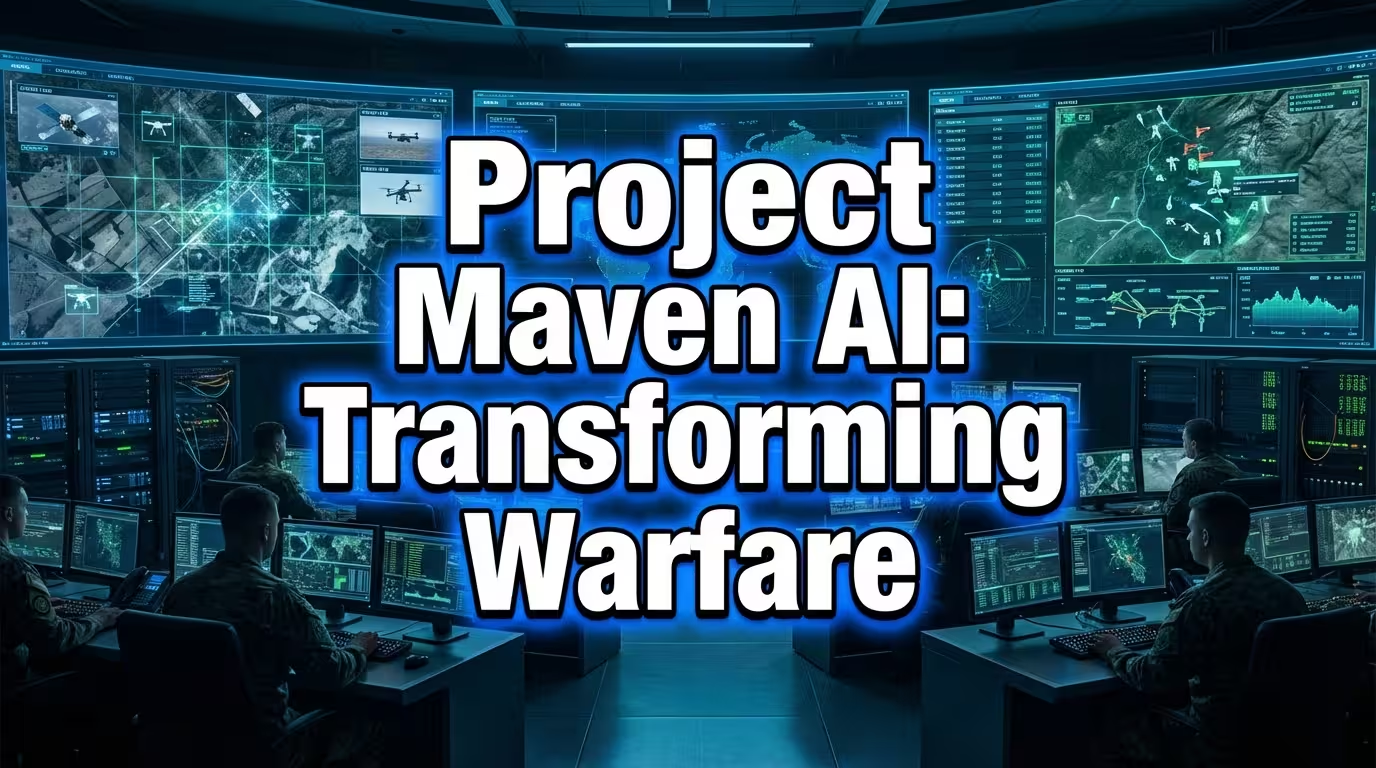
Understanding Project Maven
Project Maven, initiated by the Pentagon in 2017, aims to harness artificial intelligence to assist military analysts in efficiently processing an overwhelming volume of drone footage from conflict zones. Originally conceived as a focused effort to identify fleeting objects in drone imagery, the program has transformed over the years into a more substantial system for AI-assisted targeting and battlefield management.
How the System Operates
Acting as the air traffic control and cockpit of modern warfare, Maven integrates various data sources including sensor information, troop intelligence, and satellite imagery. According to Aalok Mehta, director of the CSIS Wadhwani AI Center, Maven essentially creates an operational overlay that enables rapid analysis of battlefield conditions. During demonstrations, Pentagon officials showcased Maven’s capability to automatically convert detected threats into actionable targeting workflows, presenting armed forces with effective strike options.
Technological Advances and Ethical Dilemmas
The emergence of models like ChatGPT has further enhanced Maven’s accessibility, allowing a wider range of users to engage with the AI technology through natural language. However, the program’s original contractor, Google, declined to renew its contract due to ethical concerns, particularly regarding autonomous military actions. More than 3,000 Google employees objected to the company’s involvement, citing significant moral implications. This backlash showcases a crucial divide within the industry over the ethical limits of AI within military frameworks.
Palantir’s Involvement
In 2024, Palantir stepped in to fill the void left by Google, having been initially funded by the CIA and heavily engaged in intelligence operations. The company is now considered the primary technology contractor for Maven, with its AI systems becoming integral to operational capabilities. Palantir CEO Alex Karp emphasized the competitive nature of technological warfare, suggesting that achieving nimbleness in targeting can overshadow adversaries.
Current Impact and Controversies
Despite public scrutiny regarding Maven’s role in military operations, especially in the ongoing conflict with Iran, the Pentagon and Palantir remain tight-lipped about the program’s effectiveness. Reports indicate a significant increase in targeted strikes, with US operations executing between 300 and 500 targets daily in the wake of Project Maven’s optimization. However, this rapid military escalation raises alarming ethical questions, particularly following reports of civilian casualties, including significant loss of life among children during recent operations.